Price range: $8.50 through $19.00
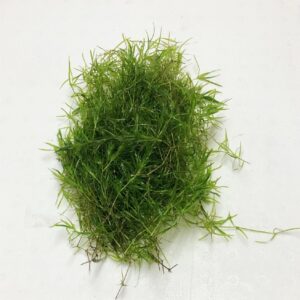
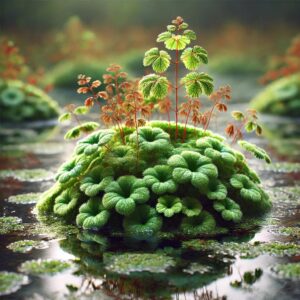
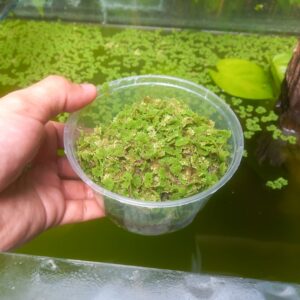
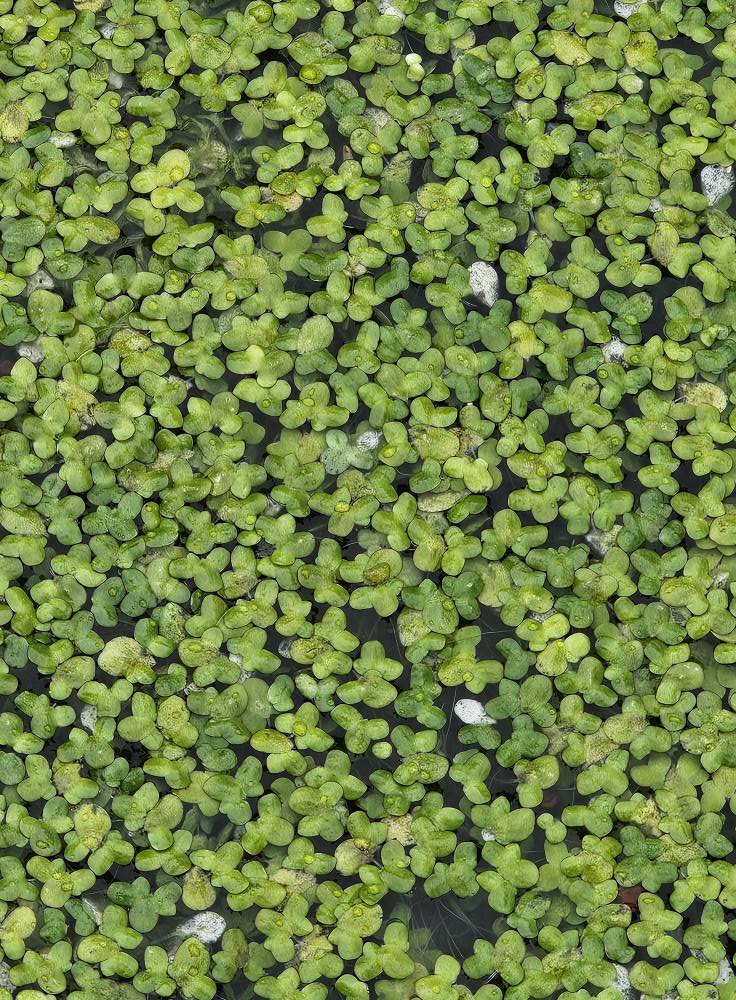
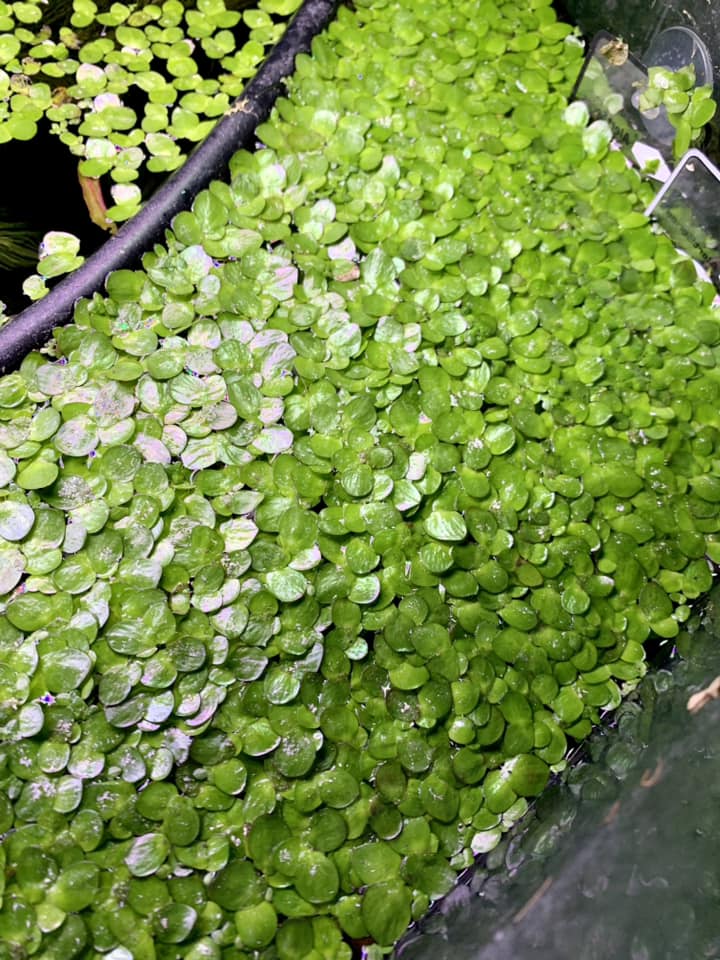
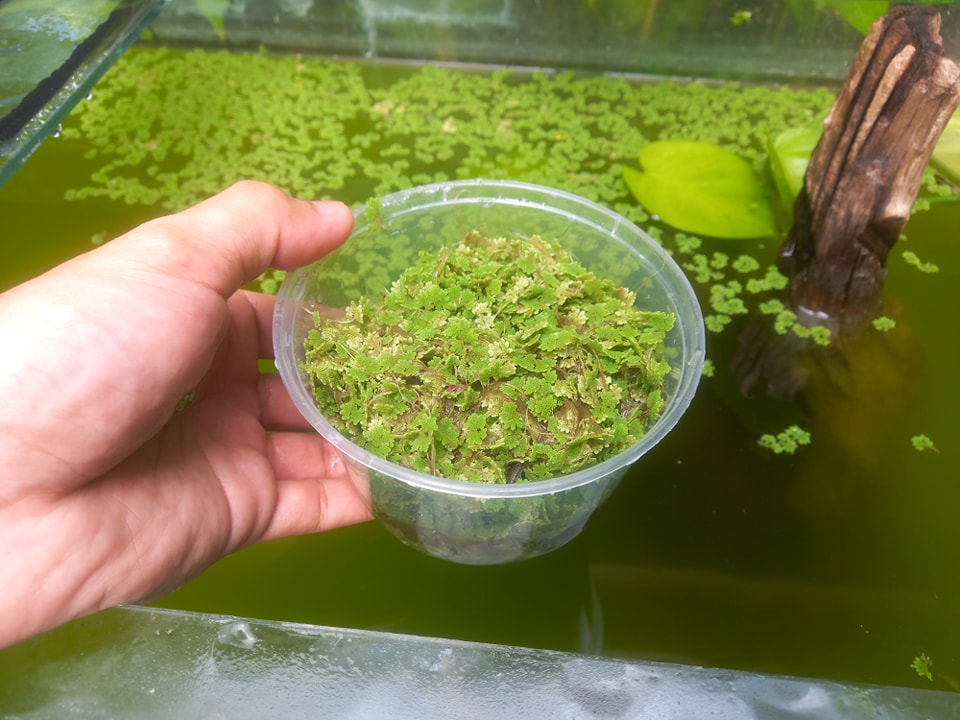
Duckweed refers to a group of tiny, free-floating aquatic plants belonging to the family Lemnaceae (or sometimes included in the Araceae family under modern classification). These plants are among the smallest flowering plants on Earth.
Description
Duckweed refers to a group of tiny, free-floating aquatic plants belonging to the family Lemnaceae (or sometimes included in the Araceae family under modern classification). These plants are among the smallest flowering plants on Earth.
Key Characteristics:
-
Size & Shape: Typically just a few millimeters in size. They appear as small green discs or oval fronds floating on the surface of still or slow-moving water.
-
Growth: They reproduce rapidly, mainly through asexual budding. Under ideal conditions, they can double in population in just a few days.
-
Habitat: Found on the surface of freshwater ponds, lakes, marshes, and slow streams worldwide.
-
Roots: Some species have tiny rootlets that hang into the water, while others may lack roots entirely.
Ecological Role:
-
Water Purifier: Duckweed can absorb excess nutrients (like nitrogen and phosphorus), helping reduce algal blooms.
-
Habitat: Provides shelter for small aquatic creatures and a food source for waterfowl and some fish.
-
Oxygen Depletion Risk: If overgrown, it can block sunlight from reaching underwater plants and deplete oxygen levels.
Uses:
-
Bioremediation: Helps clean polluted water.
-
Biofuel & Biomass: Studied as a renewable source of energy.
-
Animal Feed: High in protein, used as livestock or fish feed.
-
Human Food: Certain species are edible and consumed in parts of Southeast Asia.
Additional information
| Weight | N/A |
|---|---|
| Available Quantities | 1 lb, 1/4 lb |
Related products
-

Ice Pack
$3.00 Add to cart -
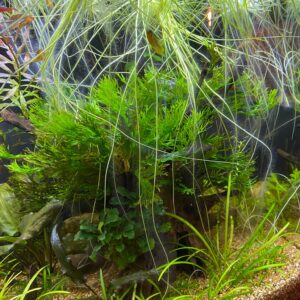
Guppy Grass (Najas Guadalupensis) 1/2 Lb
$49.00 Read more -
Red Root Floater (Phyllanthus fluitans)
$7.80 Add to cart -
Azolla Caroliniana
Price range: $9.50 through $21.00 Select options This product has multiple variants. The options may be chosen on the product page